
Royalty Checks vs. Artistic Soul: My Surreal Dilemma as Co-Writer on the Viral AI "Papaoutai"
Urban Trout founder and "Papaoutai" co-composer Aron Ottignon shares his conflicted perspective on the viral, AI-generated "Afro Soul" remix of Stromae's classic track. Explore the complicated balance between streaming royalties, voice cloning ethics, and preserving the human soul of music.
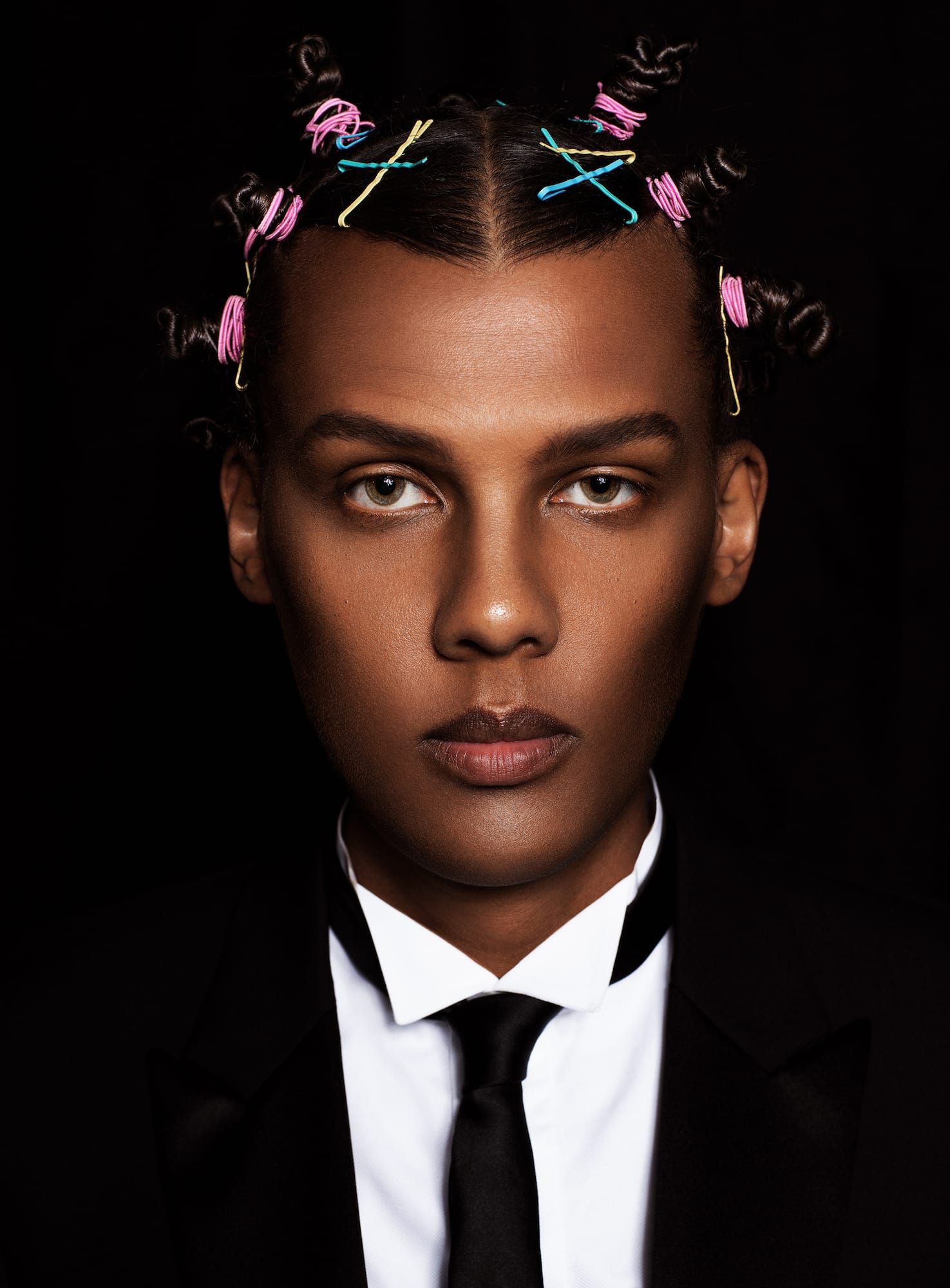
It is surreal to watch a song I co-composed in 2012 suddenly go global all over again. The AI-generated "Papaoutai (Afro Soul)" cover has accumulated over 14 million Spotify streams and landed on the global Billboard charts. My position on it? I am firmly on the fence.
On one hand, I’m proud. The track was officially green lit by Stromae’s team at Mosaert and distributed globally by Universal Music Group. Financially, it is a blessing. The French performing rights society SACEM registered it as a legal cover, meaning the publishing royalties flow directly back to us as original writers.In a tough streaming climate, this income helps me fund organic, human-made music on my independent label, Urban Trout Records. I’ve always believed technology can be "just a new instrument," much like the vocoder I’ve used on my own live recordings.
On the other hand, the ethics are deeply troubling. I think the producers cloned the voice of singer Arsene Mukendi without his initial knowledge or consent. Watching him lip-sync to a synthetic clone of his own voice in viral videos is uncanny, raising serious concerns about digital and cultural appropriation.
Worse, "Papaoutai" is Stromae’s deeply personal cry for his father, who was killed in the Rwandan genocide.When an algorithm simulates that grief to feed a streaming platform, it feels like emotional authenticity has become completely optional.
So, I remain conflicted. I am grateful for the royalties, but we must fight to protect vocal identity and ensure AI remains a tool in the service of human artists, not a replacement for them.
ORIGINAL
A.I